
SOLUTION · TRAINING
Leadership readiness.
The first decisions of a real incident get made in the first hour, often at night, by whoever is on the phone. Cyber6 builds the written plan, runs the tabletop exercise, and briefs your board, so the real event feels like the second time.
Cyber6 is an AI & technology partner: we automate the work slowing businesses down, protect them with IT & cybersecurity, and train their people.

WHAT'S REALLY HAPPENING
How an untested plan turns a bad night into a worse one
It rarely starts with the incident itself. It starts with nobody having practiced what comes next.
STEP 01
An incident hits after hours
Ransomware, a large wire fraud attempt, or a major outage lands on a Friday night or a holiday weekend.
STEP 02
Nobody is sure who calls first
Staff notice something is wrong, but there is no named decision-maker and no order of operations to follow.
STEP 03
Real-time decisions get made without practice
Leadership has to decide, live, whether to shut systems down, who to notify, and what to tell clients, with no rehearsal behind any of it.
STEP 04
Calls happen out of order
The insurer, a lawyer, and an incident response team get contacted in whatever order someone thinks of them, and evidence that should have been preserved gets lost.
STEP 05
The board asks what the plan is
Weeks later, the board asks how this happened and what changes for next time. There isn't a clear answer, because there was never a rehearsed one.
WHY IT HAPPENS
Four gaps turn a bad night into a worse one.
Select a cause to see the problems it creates for leadership.
- No written plan: Without a document naming who decides what, in what order, every real event starts from a blank page. Leads to: Slow decisions, Board caught off guard.
- No practiced decisions: Nobody has walked through the actual calls out loud before it matters, so the first time is the real time. Leads to: Slow decisions, Lost evidence.
- Contacts not confirmed in advance: Finding the insurer's number or counsel's after-hours line during the incident wastes the hour that matters most. Leads to: Slow decisions, Insurance complications.
- The board hears about risk only after something goes wrong: Without regular briefings, the board has no context for the decisions leadership made and no way to show oversight. Leads to: Board caught off guard, Repeat exposure.
Without a document naming who decides what, in what order, every real event starts from a blank page.
Slow decisionsBoard caught off guard
WHO IT HITS HARDEST
Where untested leadership plans hurt the most.
SCENARIO
Owners and partners
They make the first real decisions of an incident with no rehearsal and no document to open.
Owners and partners
They make the first real decisions of an incident with no rehearsal and no document to open.
Professional services firms
Partners make client-facing calls in the first hours of an incident, often before anyone has thought through what to say.
Industry pageFinancial advisors
Regulators expect documented governance over how firms handle a security incident.
Industry pageLocal government
Elected leadership and department heads need a rehearsed plan before public services go down.
Industry pageManufacturers
A plant-floor outage forces fast decisions about production and customer commitments with no practiced process.
Industry pageSIGNS THIS IS HAPPENING TO YOU
Six questions show how ready your leadership team is.
One question at a time. The gauge moves as you answer.
Is there a written incident response plan, reviewed in the last year?
EXPOSURE
0 gaps so far
This runs in your browser only. Nothing you choose is sent anywhere.
WHAT IT'S COSTING YOU
An untested plan costs more than the incident itself.
LINE ITEM
CATEGORY
- 01TIME
Slower, worse decisions under pressure
The first hours of an incident are when damage is contained or spreads. Decisions made without a plan take longer and are more likely to make things worse.
- 02RISK
Lost evidence and a harder investigation
Acting out of order, like restarting a system before it's been examined, can destroy evidence your insurer or investigators need.
- 03COMPLIANCE
Insurance and legal complications
Insurers often expect notification within a specific window and require certain steps before you spend on recovery. Missing those steps can affect a claim.
- 04REPUTATION
A board caught off guard
Boards and leadership are increasingly expected to show they understood and managed cyber risk. Silence until a crisis looks like a failure of oversight.
- 05REPUTATION
Client and public trust
How you communicate in the first days after an incident shapes whether clients or residents stay with you or leave.
HOW CYBER6 FIXES IT
One plan gets written, rehearsed, and briefed to the board.
Training does most of the work here. IT & Cybersecurity sets up the contacts and retainer around it. Select any piece to see what it does.
TRAINING
Write the plan with your actual team
A written incident response plan built around your real leadership team, real systems, and real vendors, naming who decides what, in what order.
WHAT IT MEANS FOR YOUWhen something happens, there's a document to open instead of a blank page.
IT & CYBERSECURITY
- TRAINING: Write the plan with your actual team. A written incident response plan built around your real leadership team, real systems, and real vendors, naming who decides what, in what order. When something happens, there's a document to open instead of a blank page.
- TRAINING: Run a tabletop exercise. Leadership walks through a realistic scenario, like ransomware or a spoofed wire request, and makes the actual decisions out loud, in a low-stakes setting. Your team has already made the hard calls once before it's real.
- TRAINING: Brief the board in plain language. A clear picture of cyber risk and what's being done about it, in the language of risk and money, not technical jargon. Your board can ask good questions and show real oversight.
- IT & CYBERSECURITY: Put contacts in place before you need them. An incident response retainer and confirmed contact details for your insurer and legal counsel, so those calls take minutes instead of hours. The first hour of a real incident is spent acting, not searching for phone numbers.
- IT & CYBERSECURITY: Add ongoing security leadership. A fractional security leader, someone senior who sits with your leadership team regularly to track risk and readiness over time. Someone senior is watching this consistently, not just during the annual review.
WHAT'S INCLUDED
Everything we set up, in the order we set it up.
Six pieces, set up in this order during your first weeks.
01
Plan review
We review any existing plan, your systems, and your leadership structure to find the gaps.
02
Written incident response plan
A plan naming decision-makers and their authority, built around your real team.
03
Tabletop exercise
A half-day exercise that walks your leadership team through a realistic scenario.
04
Confirmed contacts and retainer
Insurer and counsel contacts confirmed, with an incident response retainer set up in advance.
05
Board briefing
A plain-language briefing that gives your board the language to ask good questions.
06
Review schedule
A yearly cadence for updating the plan and running future exercises.
BEFORE AND AFTER
The first hour of an incident, two ways.
| A typical Monday without Cyber6 | A typical Monday with Cyber6 |
|---|---|
| No written incident response plan | A plan naming who decides what, in what order |
| First real decision made at midnight with no practice | Decisions rehearsed in advance during a tabletop |
| Board hears about risk only after an incident | Regular briefings in plain language |
| Insurer and counsel contacts hard to find quickly | Contacts and a retainer set up in advance |
| Everyone assumes someone else is in charge | A named decision-maker for downtime calls |
| No record of what was decided or why | Decisions documented as they happen |
| The plan exists only in one person's head | A document every leader has seen and practiced |
NO PROTECTION IS PERFECT
If a real incident happens anyway
No plan removes every hard decision. What matters is whether the team has practiced making them.
- 1
Detect
Your team or monitoring service identifies something is wrong and follows the plan's first step: who gets called.
- 2
Contain
The named decision-maker authorizes isolating affected systems, following the plan instead of improvising.
- 3
Recover
Your team, insurer, and any outside responders work from the same written plan to restore operations.
- 4
Report
Notification obligations, client communication, and board updates happen in the order the plan sets out.
- 5
Learn
After the event, leadership reviews what worked and updates the plan, the same way a real tabletop would.
WHAT WE MEASURE
Three numbers your readiness depends on.
We track these from the first plan review onward.
EVERY MEASURE IS TRACKED THROUGH THE CYBER6 PROVE FRAMEWORK
- Plan the goals
- Record the baseline
- Operate and observe
- Verify the results
- Evolve
PLAN THE GOALS
Tabletop exercises completed
How many rehearsals your leadership team has run against the written plan.
RECORD THE BASELINE
Decisions documented
The share of plan decisions that name a specific person with the authority to make them.
OPERATE AND OBSERVE
Contacts confirmed
Whether insurer, counsel, and incident response contacts are current and reachable.
IN YOUR INDUSTRY
What changes in your industry
BEFORE
A partner improvises a client call the morning after an incident, with no agreed message.
AFTER
A rehearsed communication plan gives every partner the same accurate language.
Professional services pageWHY CYBER6
Why Cyber6 for leadership readiness
01
Built around your real team
The plan names your actual leaders, systems, and vendors, not a generic template.
02
Rehearsed, not just written
A tabletop exercise means the hard decisions have already been made once before it's real.
03
Board briefings in plain language
Your board gets a clear picture of risk without needing technical background.
04
Contacts ready before you need them
An incident response retainer and confirmed contacts mean the first hour is spent acting, not searching.
QUESTIONS
Questions people ask
Most run a half day. We design the scenario around a realistic event for your business and walk your leadership team through the decisions step by step.
Not necessarily. Many businesses get what they need from a fractional security leader who meets with leadership regularly, rather than a full-time hire.
The exercise still works. Even two or three decision-makers benefit from practicing who does what before a real event forces the question.
Whoever would actually be involved in a real incident: owners or executives, IT or your managed provider, and anyone who talks to clients or the public.
No. The briefing is built in plain language around risk and decisions, not technical detail.
At least once a year, and after any major change to your systems, vendors, or leadership team.
That's the point of practicing now. Most businesses that have been through a real incident wish they had rehearsed it first.
No. We help confirm and organize those contacts as part of the plan, whether the retainer is with us or another provider.
WHO WE'VE WORKED WITH
- A statewide cybersecurity assessment program
- Credit unions
- A water and wastewater utility
- Housing organizations
- Nonprofits and churches
- Small businesses
- A health and wellness startup
Every result is measured against your own starting point.
How we prove it →PART OF ONE PARTNER
One partner for all three.
Empower · Training for Businesses & Individuals
Training that builds skills for your team and your career.
You're here
WHY CYBER6
Why businesses choose Cyber6.
One partner, not three vendors
The people automating your work also run and protect your IT and train your team, so nothing falls between companies.
Plain language and real people
You talk to people who explain things clearly, answer the phone, and tell you what they'd do in your place.
Measured against your own numbers
We record where you start before anything changes, then report results against that baseline.
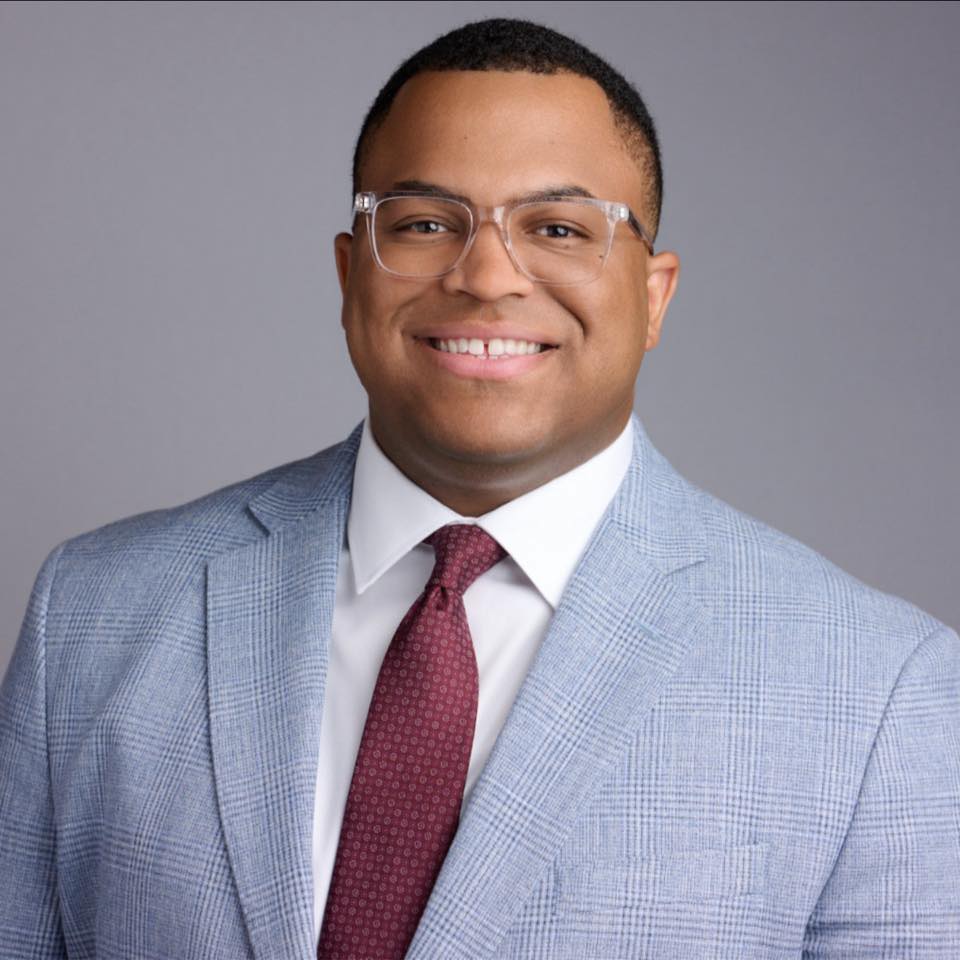
Marquis Carroll, Founder & CEO. Marquis has spent years doing hands-on IT and security work through his own business, and runs a mentorship program that has helped people start careers in tech.
Our storyGETTING STARTED
Four steps from first call to results.
Explore
A relaxed 30-minute conversation about how your business runs and what's getting in the way. No cost, no pressure.
You get: honest answers on whether we can help.
Assess
We look at your systems, security, manual work, and training needs, and record your starting numbers.
You get: a plain-English picture of your risks and opportunities.
Set up
A prioritized plan and proposal, then a kickoff that introduces your team and sets up access safely.
You get: a shared timeline and who to call for what.
Enable
We roll out in phases, train your team, and walk you through your first results.
You get: your first plain-English report, measured with PROVE.
Let's practice the decisions before you have to make them for real.
A 30-minute call. No cost, no pressure, and honest answers.